
Learn what to verify from the sales listing through handover. Assess new manufacture, existing units, refurbishment scope and maintenance responsibilities against the intended use.
Evaluate a container against its use, not only its listing
Being offered for sale does not make a container suitable for every application. A business needing a closed store, a contractor preparing a staff office and an owner relocating an existing unit should not follow identical checklists. Whether a product is new or used changes more than its age: it changes the information that should be collected before purchase. The starting point is what the unit must do and the conditions in which it will operate.
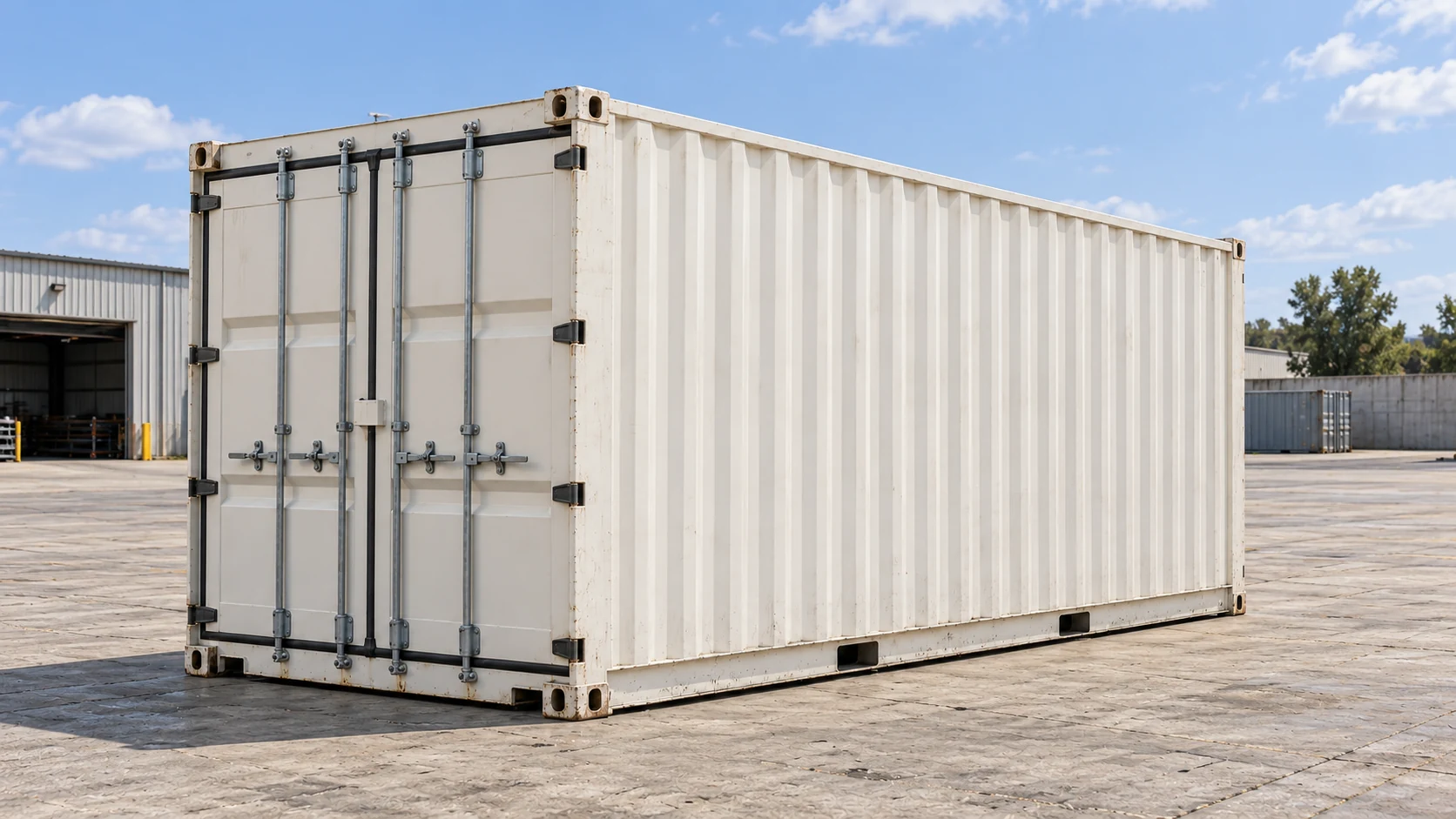
Listing photographs support an initial review; they do not independently establish the condition of the actual unit to be delivered. Ask which product the photographs show, whether they are current and how unseen areas will be examined. Where the unit has an identifiable number, use the same identity in the quotation and delivery records. This keeps the relationship between the example you viewed and the product you are buying clear.
Separate the questions for new and existing products
For new manufacturing, the approved specification, drawings and production scope are central. For an existing unit, actual condition, earlier alterations and maintenance history are additional considerations. Fresh paint or a tidy interior does not mean that every technical characteristic has been verified. Equally, age alone does not establish that a unit cannot serve a particular need. Assessment should follow the intended use and the information that can be confirmed.
Ask the seller to describe the sales condition explicitly: newly manufactured, unused stock, used or refurbished. If the word “refurbished” is used, establish which work it includes. Painting, replacement flooring or door repairs may have been completed; their scope should be understandable through records and photographs. Avoid assuming that these descriptions mean the same thing to every party. Clear terminology reduces differences in expectations at delivery.
Add identification and history to the purchase file
Where appropriate, record the unit's identifier, previous use, known alterations and available documents together. Not every container has the same documentation arrangements; the records needed depend on its type and proposed use. A cargo container intended for transport should not be assessed as though it were identical to an office module placed permanently on site. A document relevant to one application does not automatically approve another.
If the previous use is unknown, state that clearly. A proposed transition to occupied accommodation, sensitive storage or a different functional conversion should be assessed by competent people. Appearance cannot reveal the complete material history or every operating condition. Keep unanswered questions as a visible information list rather than concealing them. The list shows which matters need to be resolved before the purchase decision is made.
Begin with accessible, observable areas
An initial visual review can record external surfaces, junctions, the areas around openings and accessible interior sections. Its purpose is not merely to find defects, but to create a shared record of the existing condition. A deformation, detached finish or sign of corrosion may require specialist assessment. The buyer should record these observations as matters for review rather than treating them as a definitive technical diagnosis.
Climbing onto upper surfaces, removing linings or interfering with enclosed systems should not be considered routine customer checks. Detailed inspections must be undertaken by people with suitable competence and equipment. At the end of the review, identify the areas seen and those not yet examined. The phrase “checked” is useful only when the scope of that check is known; it should not imply a general assurance about hidden parts.
Consider doors and windows in everyday use
Openings help explain both condition and function. Review door usability, locking arrangements, window positions and the clear passages needed. Does the normal use demonstrated by the seller match the use expected after delivery? If large equipment must be moved inside, sufficient room dimensions alone are not enough. The entire access route also needs to be considered.
A visually suitable unit may have its entrance on the wrong side for the site. Moving the door later may require more than replacement joinery; the existing construction may need technical reassessment. Read the layout alongside the site arrangement when evaluating a listing. Put any required changes to locks, glazing or fittings into the delivery scope and acceptance record. Do not leave them as informal expectations that one party assumes the other has understood.
Relate the floor to planned loads and cleaning
The surface appearance of a floor does not establish its structural capacity or suitability for every use. Identify the materials, furniture and equipment that will occupy the unit. Shelving, machinery feet and busy pedestrian areas may require different assessments. Put actual use information into the procurement file and arrange for the responsible technical team to assess suitability.
The cleaning method and possible exposure to water also influence the finish. Whether the existing covering should be retained or replaced must be determined through observation and appropriate assessment. Installing a new covering does not automatically resolve every issue below it. If a refurbishment quotation distinguishes removal, preparation and final finishing, it becomes easier to check what work has actually been completed when the product is handed over.
Existing services are not automatically suitable services
The presence of electrical or plumbing installations does not mean they meet the requirements of the new use. Changing equipment, occupancy or site connections may change the need. The condition and suitability of existing services should be assessed by the relevant competent people. A short customer check based on appearance or switching on a device does not replace the required technical review.
Ask the seller for the installation scope, known maintenance or alterations and available documentation. Show connection points, work to be completed before delivery and work remaining for the customer separately. In a used unit, clarify whether existing appliances are included in the sale. An air conditioner, heater or kitchen appliance visible in a photograph is not automatically part of the delivery. This distinction helps explain both the price and the responsibilities after handover.
Review refurbishment beyond appearance
A refurbishment proposal should explain which parts will be retained, which will be replaced and which work concerns surfaces only. Request a task list rather than relying on a broad phrase such as “fully serviced.” Finishes, painting, openings, services and equipment should be described separately. This distinguishes a refreshed presentation from the actual work performed on the unit.
Agree the records you will receive at the end. Replaced components, materials used and completed checks can form part of the delivery file. Avoid unsupported statements about parts that have not been examined. Whether refurbishment is sufficient for a particular use depends on the relevance of the work, not simply on how much work was done. This approach helps prioritise meaningful improvements over cosmetic spending that does little for the intended operation.
Check maintenance access while selecting the product
The unit's position on site affects its future serviceability. If doors, service points or equipment access are continually obstructed, even minor tasks may become difficult. Consider maintenance when preparing the layout rather than waiting until after delivery. Ask how access will be provided for routine cleaning, inspection and replacement of components when necessary.
The maintenance programme should reflect the materials, equipment, intensity of use and environment. Applying identical intervals and tasks to every container is not a sound starting assumption. Obtain the relevant instructions from the manufacturer and equipment suppliers. Identify who will keep records, request service visits and determine when competent support is needed. Assigning these responsibilities helps prevent maintenance from becoming a forgotten activity without an accountable owner.
Evaluate ownership over the intended operating period
The purchase price should be considered alongside transport, unloading, site adaptation, maintenance and possible future relocation. A used unit may have an attractive initial price but require alterations that affect the overall decision. Conversely, an existing unit whose condition has been verified and whose arrangement fits the need can be a meaningful option for another project. Evaluate the real use and confirmed scope before relying on the label “new” or “second-hand.”
Record the intended operating period and expected changes. Several months of storage is a different requirement from an office used for years. Include any future move to another site in the initial assessment. Potential reuse does not mean that alterations can be made without limit; changes must receive the relevant technical review. This brings the immediate price and longer-term use expectation into the same decision framework.
Fix the identity and agreed condition of the delivered unit
Create identification records so that the ordered and delivered products can be matched. Photographs, the unit number or another clear identifier used by both parties can be attached to the quotation. Connect included equipment and agreed repairs to the same record. This is particularly useful when several similar units are held in stock.
Before shipping, review the completion status of agreed work. If items remain open, record the responsible person and the process for closing them. Agree how differences identified after shipment will be reported. The purpose of this record is not to create disagreement; it is to ensure that everyone discusses the same product and the same delivery condition. Clear records support both the purchaser and the supplier throughout the handover.
Separate physical delivery from readiness for use
Unloading the container does not independently show that every function is ready for operation. Site connections, placement checks and other included work must be completed. The people responsible for the necessary checks and the documents to be handed over should have been identified during ordering. The recipient should understand which tasks remain unfinished.
When several contractors are involved, the handover record should show the boundaries between their work. The product supplier may have completed its scope while external services or site preparation remain with another team. Readiness for use must be considered alongside those activities. Maintenance and operating information should reach the actual operating staff instead of remaining unread in a project folder. Knowing the contact responsible during the first days after delivery also reduces interventions made on the basis of incomplete information.
Compare alternatives through concrete questions
When comparing a new unit with an existing one, place the same questions side by side: suitability for use, clear dimensions, verified condition, required changes, delivery scope and maintenance information. Do not replace unknowns with favourable assumptions. Missing information should appear as a visible evaluation item beside the price. Asking the seller for clarification improves the basis of the decision.
For example, if an existing unit has a door on the wrong façade, first establish whether moving it is technically appropriate, then compare the cost and programme. In a new unit, that position can be considered during the initial design. Compare both routes against the completed use scenario. Clear requirements and existing-product information supplied to Monte Grup help establish which option deserves further investigation. A sound purchase selects the product that meets a verified need, rather than the one with the most polished photograph.
Establish a simple record for the first month
Observations from the operating team can continue the delivery record after a unit enters use. This does not replace technical maintenance; it helps communicate a situation to the appropriate person. Record the date, location, photograph and circumstances of the observation briefly. Following one record is clearer than receiving several different descriptions from different people. Staff should contact the responsible specialist instead of carrying out interventions beyond their competence.
For example, if a door becomes difficult to operate, it is more useful to record which door, when the difficulty occurs and under what conditions than simply to write “broken door.” A customer observation does not establish the cause; the appropriate person performs the necessary assessment. The same approach can support reports about finishes, equipment and connections. Add the work performed and closure date once the matter has been resolved.
This record can remain useful if the unit is later relocated or transferred to another user. The next operator can review maintenance and modification history rather than relying only on sales photographs. Documents should be tied to the identity of the actual unit. Where a business has several containers, maintain separate unit records instead of mixing everything into one general folder. Consistent information is a straightforward operating habit that carries a good purchasing decision into the period of use.
Assess the second use independently of the first
A container that served its previous owner successfully does not automatically meet every expectation at a new site. Occupancy, equipment, environmental conditions and connections may change. Converting a store into an office is different from moving it to hold similar materials elsewhere. Evaluate the new function through its own requirements file rather than assuming it is simply a continuation of the earlier use.
Show retained components and proposed changes separately. New windows, partitions or equipment positions should receive technical review in relation to the existing unit. Understanding the required work before choosing a used product reduces the likelihood of selecting an unsuitable unit merely because its initial price is attractive. Compare the intended result after the necessary work, not just the product in its current condition.
Separate reporting, assessment and closure
Reporting an observation, assessing it technically and closing the completed work are separate steps. The user records what was noticed; the responsible person decides how it should be examined; the record is updated when the work is complete. Without that distinction, an issue may be assumed resolved or repeatedly investigated by different teams. Even a simple tracking list helps make the process visible.
The list can include scheduled maintenance and outstanding documents as well as faults. Each task should have an owner and a status. Instructions must suit the actual materials and equipment rather than relying on improvised methods. Competent people should determine when the work will be completed and how use of the unit is managed in the meantime. Maintenance then becomes an organised operating activity instead of a collection of easily forgotten notes.
Review modifications before a future move
After a long period of use, the unit may differ from its original delivery condition. Shelving, air conditioning, partitions, linings or other equipment may have been added. Reviewing only the original sales file can conceal those changes when planning another move. Share the current condition with the relevant transport and technical teams. The transport or lifting method is not something the customer should infer from old photographs.
Responsible teams should plan which equipment remains inside, what is removed and how service connections are managed. Assess the new placement and connections again. A door direction or service approach that worked at the old site may be inconvenient in the new position. Portability should not be interpreted as removing the need for preparation. The new purpose, actual condition and receiving-site requirements belong in the same project file.
Decide when significant open questions are resolved
An inspection does not need every answer to be favourable; it needs the decision to be made without hiding uncertainty. Record the assessment needed for an unknown component condition and identify who will evaluate an alteration that has not yet been priced. If an outstanding issue affects an essential requirement, do not decide solely from concern that the unit may be sold to someone else. Programme pressure does not turn unverified information into verified information.
Keep identification, observed condition, remaining work, acceptance criteria and delivery responsibilities together in the final file. These headings are useful for both new and existing products; the difference is the available condition information and required examination. Handing the same file from purchasing to operations helps future users understand the basis of the decision. Procurement becomes connected to the operating period rather than ending as an isolated transaction at delivery.


