Organize asset identities, approved layouts, observations and maintenance responsibilities into a clear facility record.
Start the inspection workflow with the handover file
A routine review of a waste-storage area should mean more than an improvised walk around it. Begin with the approved layout, equipment schedule, operating documents and the facility's authorized procedures. This article does not describe waste handling or intervention during a hazardous event. Its focus is recording observations, passing them to the responsible person and retaining a traceable maintenance decision. That helps prevent a small note from disappearing between shifts.
Handover information should not remain only in the purchasing folder. Operating and maintenance staff need to see which configuration was approved. A later shelf, different package or additional device may depart from that baseline. Knowing the relationship between the current arrangement and the approved file gives a clear reference for the review. Records can then relate to a defined product and operation instead of an undocumented impression that everything appears satisfactory.
Give each storage area a clear identity
Where several waste containers exist on one site, records need to identify the correct unit. The product name alone may be insufficient; two units in the same family can have different locations and equipment. Record the facility's asset identifier, location and approved scope together. A maintenance request can then point to an identifiable object rather than remain an ambiguous message. Use the same identity in photograph and document names where practical.
The naming arrangement does not need to be elaborate. Make the relationship between the name used on site and the technical code clear. Update the location when a unit moves, rather than copying an old address into a new request. This is particularly helpful when shifts or external service teams change. Consistent identification allows everyone to find the relevant history and understand which previous work belongs to the equipment now under discussion.
Record the approved baseline visually
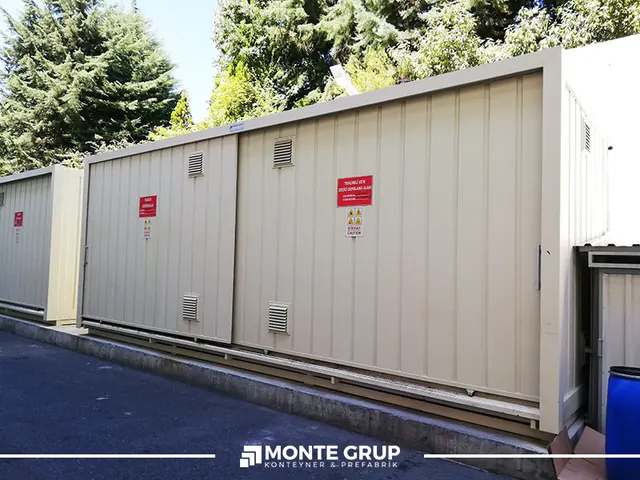
Following acceptance, baseline photographs and layout records may be created within the site's permitted process. They do not replace technical approval, but can help explain a change noticed later. Identify the face or area shown in each photograph. Descriptive labels linked to the approved arrangement are more useful than a general promotional image. Avoid unnecessarily including confidential or personal information in these records.
The baseline can reference the names of doors, devices and reserved access areas used in the drawings. Link available model or serial information to the relevant equipment documentation. The purpose is not to generate an uncontrolled collection of daily images. It is to retrieve the earlier arrangement when a specific change is discussed. A named custodian and shared location create a common reference instead of leaving useful photographs scattered across individual phones.
Do not copy a universal inspection timetable
Inspection and maintenance intervals should follow the actual equipment, usage, manufacturer information and the facility's authorized assessment. One daily or monthly rule is not appropriate for every waste area. The administrative task is to record where each interval originates and who owns it. Routine visual observations, specialist servicing and required expert examinations may be different activities and should not be compressed into one undifferentiated checkbox.
A schedule can identify the task, responsible party and supporting document. Where an external service provider performs the work, define how its report returns to the facility. The management process should explain how overdue work is followed up. This does not invite staff to perform technical tasks independently; it coordinates the right task with the right authority. Keeping the schedule relevant matters more than accumulating marks on an outdated form.
Separate an observation from a diagnosis
A useful record states what was observed. A report that a door does not close is different from a conclusion that it needs adjustment. The first describes an operating observation; the second may assume a technical cause. Authorized staff should record what they see within their role, with the date and location. The relevant specialist can assess the cause and response. An early guess should not circulate as an established diagnosis.
If photographs can be included, explain what they show. Information such as when the issue appeared, whether it is intermittent and whether it has been reported previously may help. Technical intervention, contact with materials or adjustment of systems should not be treated as part of this administrative recording task. Role boundaries need to be clear. The value of the report comes from accurate, understandable observations rather than the number of technical terms used.
Notice changes in reserved access areas
Working or service space identified in the approved plan can gradually become temporary storage. The review process should track how current use relates to that plan. Added objects, different packaging or altered equipment movements may affect the original assumptions. Report changes through the authorized assessment route. Knowing why a particular area was reserved provides a more concrete reference than a general instruction to keep the location tidy.
Changes outside the enclosure may matter too. New construction, parking arrangements or stored material can alter access. This article does not prescribe vehicle routes or waste-transfer methods; it emphasizes making changes to approved arrangements visible. Keeping site and product records coordinated prevents a service team from planning around an obsolete photograph. The surrounding area is part of the operating context, even when it is not supplied by the container manufacturer.
Open a change record when inputs change
The waste stream evaluated initially may not remain unchanged. A new production process, different packaging or an altered operating programme may require the existing configuration to be reviewed. Such changes should not pass unnoticed as one extra row in an inventory. The facility's authorized environmental and technical personnel should perform the appropriate assessment. If manufacturer input is needed, provide the current information through the same coordinated file.
The record can describe the earlier arrangement, proposed change, responsible reviewers and approval outcome. It is not automatic permission to accept a material. Its purpose is to retain who made the decision and which information supported it. Users should be able to recognize when the approved scope has changed. This avoids assuming that an arrangement considered suitable in the past remains suitable under different conditions without further review.
Keep documents matched to the actual configuration
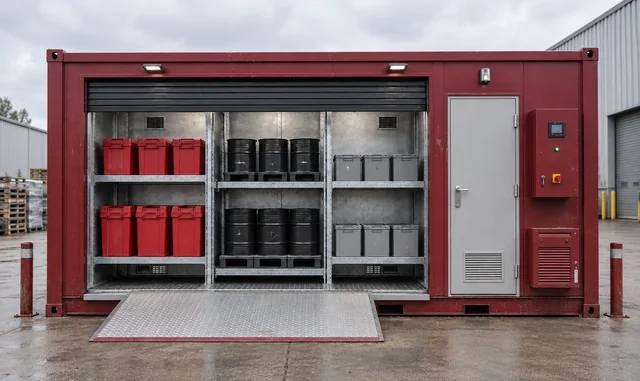
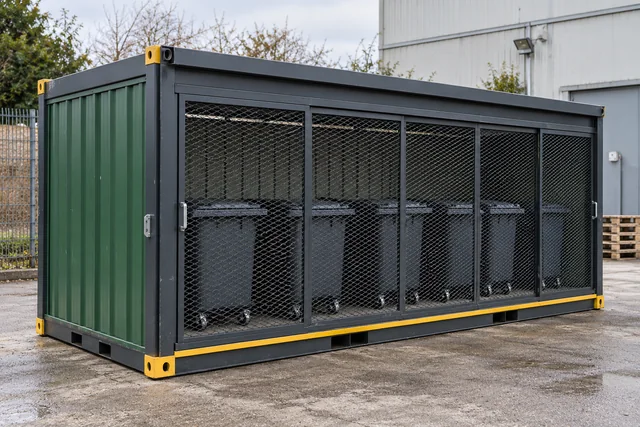
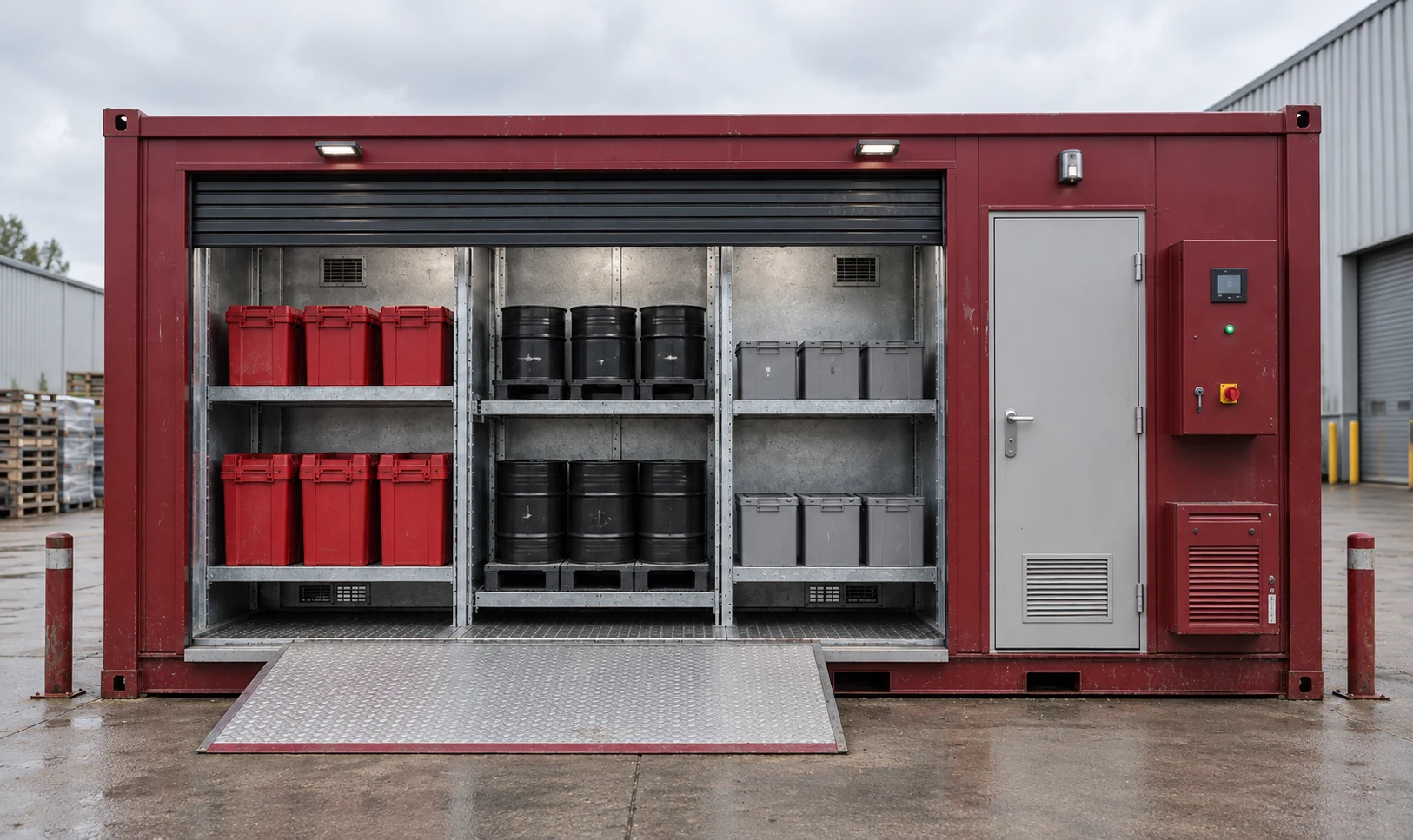
A packaging-waste area and a specially equipped storage unit may require different document sets. Similar external enclosures do not establish identical internal scope. Where particular fire performance has been specified, the relationship between the documentation and supplied assembly may be especially relevant. Other families introduce different operating inputs. Identify which operating and maintenance documents apply to each actual unit rather than relying on its general product name.
Instead of copying one checklist across every family, ask the relevant teams to review the existing configurations. Shared headings may be appropriate, but equipment-specific activities should remain distinct. Update the document register when a component is removed, replaced or added. The intention is not complexity for its own sake. It is to avoid applying information to a unit for which it was not intended.
Track a maintenance request to an accountable owner
Noticing an issue and sending a message does not complete the task. Identify who receives the request, where it is referred and how the outcome is recorded. If the facility already has a maintenance system, use that established process. A new software platform is not essential; a clear reference and responsibility flow can organize communication. The important point is that the report does not disappear into a private message thread.
Authorized personnel should determine priorities and operating decisions. This article does not offer a general judgement about whether defective equipment may remain in use. Relevant procedures and specialist assessment govern that decision. The record should show the review, assigned task and completion status. A subsequent shift can then understand the current position instead of starting the same discussion again. Communication records support the traceability of the technical work.
Retain evidence when work is closed
Closing a record with the single word completed may make later review difficult. Keep the authorized service explanation, relevant replacement information and required check records. Identify who accepted the technical work. These details may support service or warranty discussions, although the actual warranty depends on the contract and manufacturer's conditions. Maintaining a record does not create an entitlement that was not part of those terms.
If the appearance or configuration changed, assess whether the drawings or photographs need updating. Mark the relationship between the old documentation and the new arrangement. If an issue recurs, the earlier work should be easy to retrieve. Relevant records should therefore be accessible in the facility's file rather than exist only in a contractor's archive. Closing the task includes transferring understandable information to those responsible for the equipment.
Review recurring observations together
Repeated reports about the same door or area may deserve more than individual closure. Looking at them together can reveal questions about usage, surrounding changes or a technical issue. Qualified people should assess the cause. Management's role is to make the pattern visible, not encourage employees to experiment with a repair. Consistent observations provide better inputs for the appropriate review.
For example, in a hypothetical facility, the same reserved area is reported obstructed at the end of several shifts. The responsible team may need to examine the storage organization rather than treat every report as unrelated. The correct response depends on the actual materials and operation and cannot be prescribed here. The common pattern nevertheless directs the discussion toward a useful question instead of relying on whichever complaint someone happens to remember.
Plan information transfer when personnel change
The equipment history should not disappear when the responsible person changes. A successor needs the approved scope, maintenance schedule, open records and relevant contacts. This involves more than transferring a key or telephone number. Explain which documents are current and which matters await assessment. The new person should not need to reconstruct the arrangement through separate conversations with everyone who previously worked near the unit.
Use the same current file when contacting an external service provider or manufacturer. The asset identity, configuration and relevant history create a clearer starting point. Necessary training and authorization remain part of the facility's established procedures. The records proposed here support those arrangements rather than replace them. Information transfer is a less visible but important part of managing equipment throughout its working life.
Understand what an example report establishes
Suppose an authorized operator reports that a particular door behaves differently from earlier use. A useful record identifies the asset, time and observed behaviour. The cause requires a separate technical assessment. Suggesting a replacement before the cause is known may narrow the review prematurely.
Label any photographs and link earlier reports where relevant, without assuming a similar appearance proves the same cause. Operating and intervention decisions remain within the authorized process. The example illustrates how reporting supports specialist review, not how employees should diagnose a fault.
Prepare the information for an external service visit
Provide the asset identity, configuration, relevant documents and observation record through the authorized channel. Site access and working arrangements should be communicated appropriately. This preparation supports planning but does not replace the applicable technical or safety procedures.
Identify components supplied by other parties. The enclosure manufacturer should not automatically be assumed responsible for servicing every device. Check contracts and manufacturer information. Define where the service report will be retained and who reviews it afterward, so information reaches the responsible people at closure as well as at the initial request.
Do not treat record counts as a standalone success measure
Fewer reports do not by themselves prove better equipment condition. Usage, staff changes and reporting habits can affect the count. More reports may reflect improved communication rather than poorer operation. Add context: which assets were used, which tasks were completed and what remains under assessment.
Do not encourage people to minimize the number of records. Accurate observations delivered through the right route are more valuable. Track why work remains open and who owns it. Administrative indicators organize evidence; they do not replace the specialist assessment needed for technical or operating decisions.
Make the current document revision easy to find
When old and new drawings share unclear names, staff can select the wrong reference. Identify the current scope while retaining previous issues as history where required. Link revision dates, owners and related maintenance records so later reviewers can understand what changed and why.
Manage access through the organization's information rules. People need the current information appropriate to their duties, not necessarily every document. Define responsibility for backup and handover internally. The aim is usable information rather than more paperwork, preserving a coherent equipment history instead of disconnected files accumulated over time.
Explain why an item remains open
A record may await specialist review, a replacement component or site coordination. Replace an undifferentiated pending label with the current stage and next responsible party. This does not bypass necessary technical decisions. It shows management which information or coordination remains outstanding and helps the next shift understand progress without reconstructing the entire discussion.
Use a short review meeting to keep the process active
At the agreed intervals, review outstanding records, completed work and changed site conditions together. The purpose is not to repeat every technical discussion. It is to expose unassigned tasks and recurring observations. Give each decision a next step and an owner. If a further technical assessment is needed, assign it to the appropriate team. A checklist then becomes part of a managed workflow instead of a form filed away after it is signed.
Retain the approved Monte Grup product information as a baseline reference and update the associated records when the site or operation changes. Distinguish observations from diagnoses, reports from completed work and document names from actual configurations. The objective is not more checkboxes. It is reliable information reaching the responsible people, with decisions recorded clearly enough for the next person to understand what was reviewed and what remains to be done.